Klaviyo Email Marketing Agency for Australian Online Stores
A Klaviyo agency sets up and runs the email marketing of an online store inside Klaviyo: the automated flows that send themselves when someone signs up, abandons a checkout or buys, the campaigns for launches and sales, the sign-up forms that grow the list, and the settings that keep emails out of the spam folder. Digitalis Global is an email marketing agency that does this in Klaviyo for Australian Shopify stores, as the same team that builds the stores and runs their ads, so email, ads and the store are planned together.
Target outcome
Flows and campaigns judged on placed orders and unsubscribes, read in Klaviyo and the store
Most store email lists earn less than they could, for avoidable reasons
A store pays to bring visitors in, then lets them leave without a reason to come back. The usual causes are flows that were never switched on, a welcome email that is the only one in the series, campaigns sent to everyone at once, and a sending domain that was never authenticated, so mail lands in spam.
01
Shopify’s default abandoned cart email still running beside a Klaviyo flow, so shoppers get two
02
One campaign a month to the whole list, and rising unsubscribes
03
A sign-up form with no clear reason to join and no follow-up
Who it's for
Who our Klaviyo management suits
Email works best for stores that sell more than once to the same people. We say on the first call whether Klaviyo is worth it yet, or whether the store needs traffic first.
A good fit if
You run a Shopify store and customers buy again, give gifts or follow new ranges
You already have a list, or traffic from ads and search that is not signing up
You want flows written and designed to match your store, not template text
You want email planned with your Meta and Google ads, not in a separate silo
You want the Klaviyo account and list to stay in your own name
Not the right fit if
You sell one product most people buy once: a short post-purchase series may be all you need
You want bought or rented email lists used: we only email people who agreed to hear from you
Nobody can approve a campaign within a few days of a draft
What we run
What our Klaviyo email marketing covers
Most of the revenue from email comes from a handful of flows and a steady campaign calendar. These are the jobs we do to keep both working.
01
Welcome series that gives new subscribers a reason to buy
The first emails after someone joins arrive while their interest is at its highest. We write a short series that delivers whatever the sign-up form promised, tells the brand story, shows the best sellers and answers the questions that stop a first order, such as delivery times, returns and sizing. Shoppers who buy part way through leave the series instead of being sold to again.
Delivers the sign-up offer
Best sellers and brand story
Stops when they buy
02
Abandoned checkout, cart and browse flows
Klaviyo can follow up a started checkout, an added to cart and a product view as separate flows, each with its own timing and message. We build them with a filter that removes anyone who has since placed an order, show the products they left, and switch off the store platform’s own reminder so nobody receives two. Discounts are used sparingly, so shoppers do not learn to wait for one.
Started Checkout and Added to Cart flows
Exits on purchase
Platform reminders switched off
03
Post-purchase, review and win-back flows
After an order we send what helps the customer use the product well, ask for a review once it has arrived, suggest what to buy next based on what they bought, and reach out when a regular customer has gone quiet for longer than usual. These flows keep earning from customers the ads have already paid to win.
Care and how-to emails
Review requests after delivery
Win-back for lapsed customers
04
Campaigns planned on a calendar
Campaigns go out for launches, restocks, sales and the seasons that matter to your range, such as Mother’s Day, end of financial year, Black Friday and Christmas. We plan them a month ahead, write and design each one to match the store, A/B test subject lines and content where the list is large enough to tell, and send to segments, such as recent buyers, engaged subscribers or a product category, rather than the whole list every time.
A monthly campaign plan
A/B tests on subject lines
Sent to segments, not everyone
05
Sign-up forms and list growth
We set up pop-up, flyout and embedded Klaviyo forms with a clear reason to join, such as early access, a guide or a first-order offer, and check that the accepts marketing tick box at Shopify checkout adds buyers to the right list. Forms are tested on phones, where many shoppers browse, and kept from interrupting a shopper who is about to pay.
Pop-up, flyout and embedded forms
Checkout consent synced
Tested on phones
06
Segments built from real buying behaviour
Because Klaviyo reads the store’s orders, we can group people by what they actually do: first-time and repeat buyers, customers with the highest lifetime value, people who bought a category, and subscribers who have not opened anything in months. Engaged segments get more email; unengaged subscribers get a re-engagement series and are then suppressed, which protects deliverability for everyone else.
Repeat buyer and category segments
Re-engagement before suppression
Fewer sends to cold addresses
07
Deliverability: authentication, unsubscribes and spam rates
Email only sells if it reaches the inbox. We set up SPF, DKIM and DMARC on your sending domain, make sure every marketing email has a one-click unsubscribe, and watch spam complaint rates in Google Postmaster Tools. Under Australia’s Spam Act 2003, marketing email needs consent, must identify the sender and must carry a working unsubscribe, so we check all three before the first send.
SPF, DKIM and DMARC
One-click unsubscribe
Spam rates watched in Postmaster Tools
08
Reports on orders, not opens
Open rates became unreliable once mail apps, starting with Apple Mail Privacy Protection, began loading emails automatically, so we report placed orders, revenue, clicks and unsubscribes for each flow and campaign, and compare Klaviyo’s figures with the store’s own sales. Each month we show which flows earn, which campaigns worked, and what we will test next.
Four stages, each with what we do and what we need from you.
01
Free Klaviyo account review
Before we quote, we review your flows, forms, segments, recent campaigns and sending domain, and tell you what we would fix first. You: add us as a user on your Klaviyo account, and tell us what you sell and who buys again.
02
Foundations fixed
We connect or check the Shopify integration, authenticate the sending domain, turn off duplicate platform emails and set up consent at checkout and in the forms. You: approve the sending name and address, and confirm your returns and delivery details.
03
Core flows built
We write, design and test the welcome, abandoned checkout and cart, browse, post-purchase and win-back flows, in that order. You: supply product photos and brand files, and approve each email before it goes live.
04
Monthly campaigns and review
Campaigns follow the calendar we agree, flows are tested and improved, and each month we walk you through the results and the next plan. You: tell us about launches, restocks and sales early enough to write for them.
What's included
What is included in Klaviyo management
A written review of your Klaviyo account, or a set-up plan for a new one
The Shopify integration checked, with checkout consent synced to the right list
SPF, DKIM and DMARC set up on the sending domain
Welcome, abandoned checkout and cart, browse, post-purchase and win-back flows
Sign-up forms with a clear reason to join, tested on phones
A monthly campaign calendar, written and designed to match the store
Segments for engaged, repeat and lapsed customers, with re-engagement before suppression
A monthly report on placed orders, revenue, clicks and unsubscribes, with a review call
Tools & platforms
The stack behind the work
Email
Klaviyo
K
Klaviyo sign-up forms
Store and measurement
Shopify
G
Google Postmaster Tools
Google Analytics 4
Clients
Stores whose Klaviyo email we run
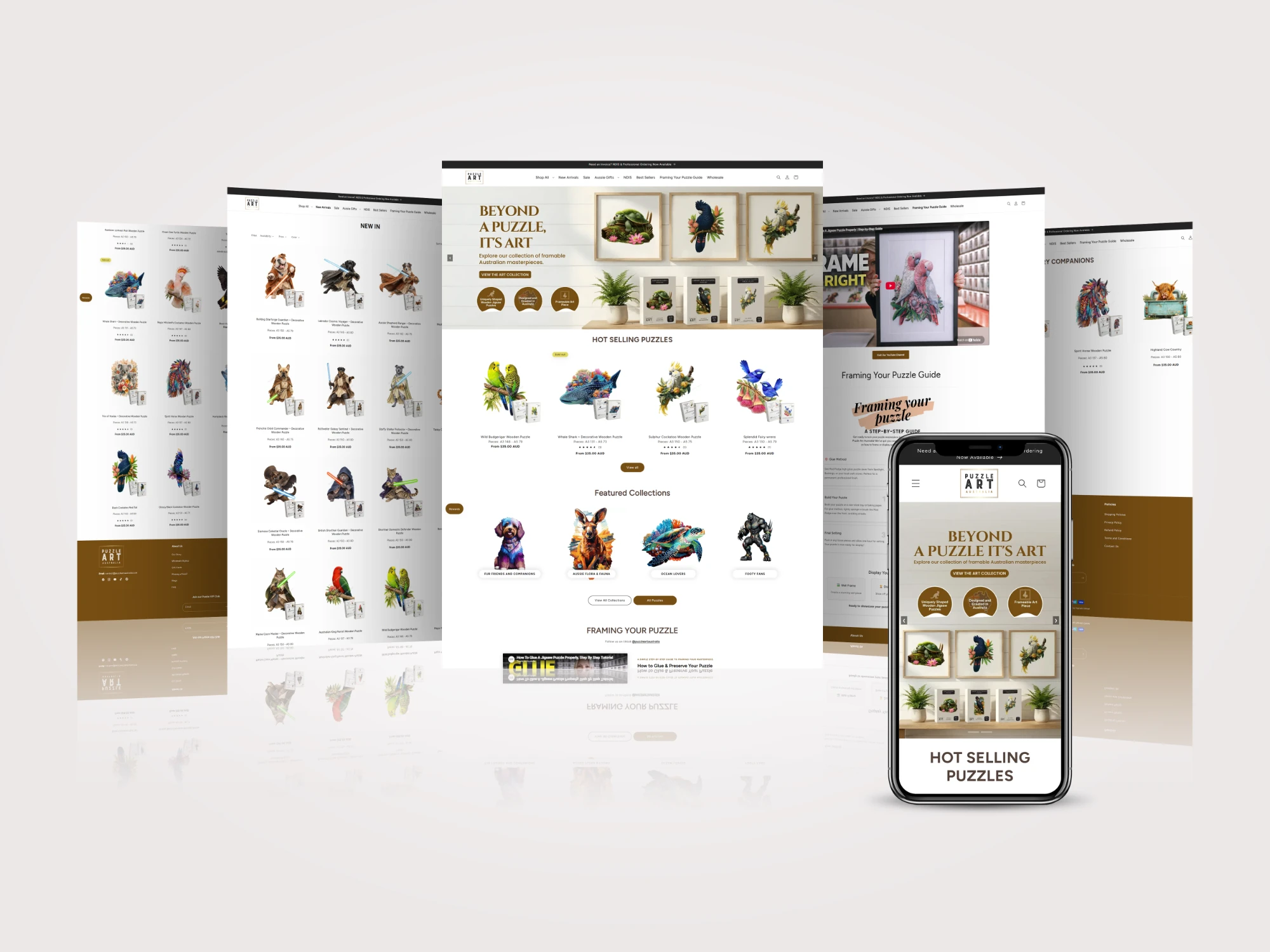
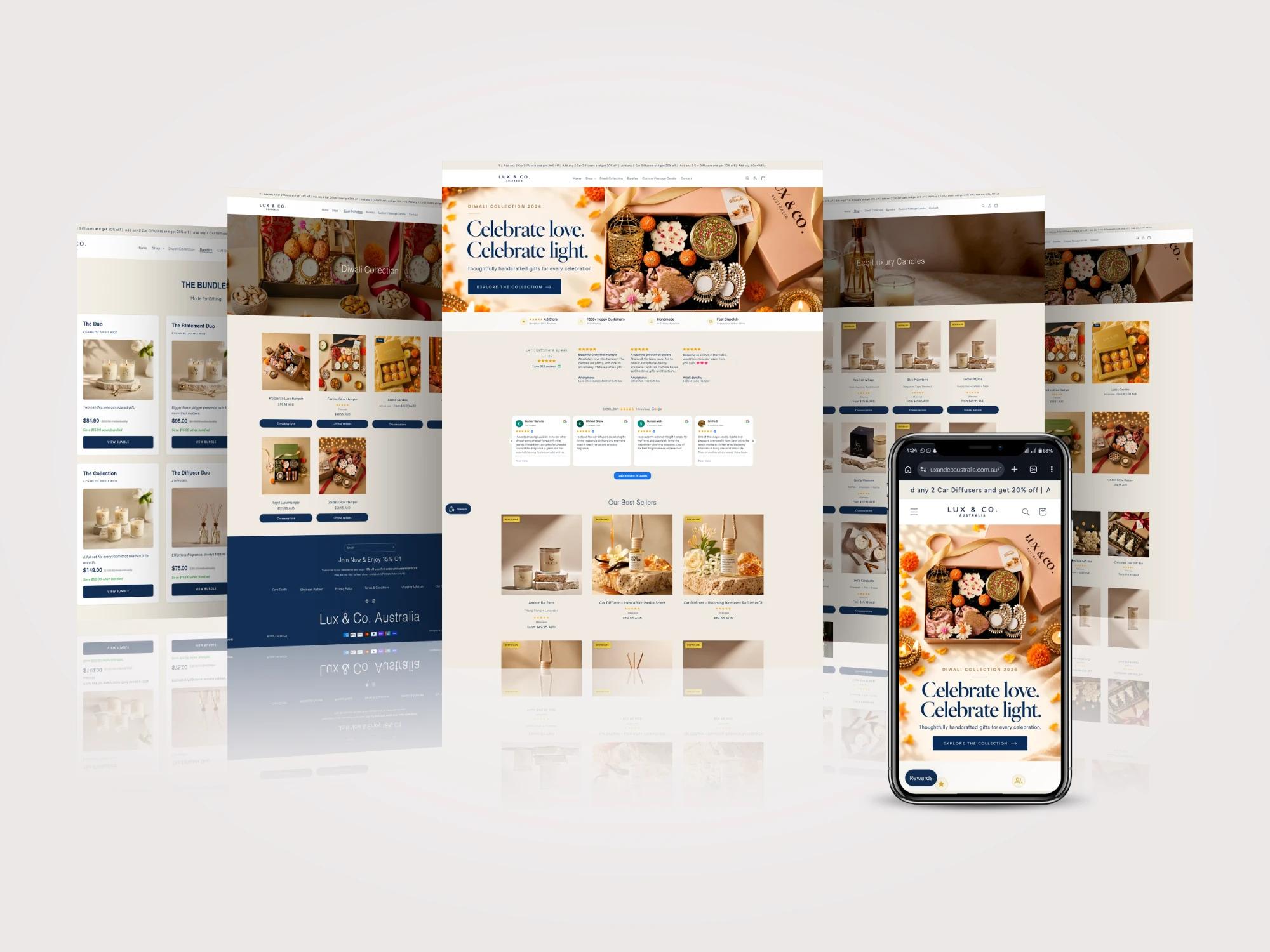
We run Klaviyo for these Shopify stores, alongside their ads or store development. These are work facts only: what we run for each brand, not what it returned, because client results are not published on this page.
Your Klaviyo account is run by our digital marketing team, led by Zohaib Ali Shah, with our designers producing the emails. We have team members in Sydney and Newcastle NSW and our development headquarters in Rawalpindi, Pakistan. We work remotely, and reviews and calls run in Australian business hours.
Management is a fixed monthly fee written into a proposal after a free review of your account. Your Klaviyo subscription is billed by Klaviyo to you and is never part of our fee. We do not keep a price list.
Since 1 February 2024, Google requires anyone sending 5,000 or more messages a day to Gmail accounts to set up SPF, DKIM and DMARC email authentication, and marketing messages must support one-click unsubscribe.
Most pre-built Klaviyo abandoned cart flows are triggered by the Started Checkout metric. Klaviyo recommends sending the first email 2 to 4 hours after someone starts a checkout, then a second 20 to 48 hours later, and setting up an Added to Cart flow as well.
Klaviyo’s Shopify integration brings customer profile and order data into Klaviyo and can automatically add customers who accept email marketing at checkout to a list. Klaviyo advises turning off the store platform’s default abandoned cart messages so shoppers are not sent duplicates.
Klaviyo prices its plans by the number of active profiles, meaning contacts you can market to, and shows Australian visitors its prices in US dollars. Its free plan covers up to 250 active profiles and 500 emails a month; the Email plan starts at USD 20 a month for 500 active profiles and 5,000 emails a month.
It sets up and runs a store’s email marketing inside Klaviyo: the automated flows, the campaign calendar, the sign-up forms, the segments and the deliverability settings, and it reports on the orders email brings in. We also design and write every email, so the store owner approves rather than produces.
Which Klaviyo flows should a Shopify store set up first?+
Welcome, abandoned checkout and post-purchase, in that order. Those three reach people at the moments they are most likely to buy. Added to cart, browse abandonment, review requests and win-back come next, once the first three are tested and running.
How much does Klaviyo cost?+
Klaviyo pricing is based on the number of active profiles, the contacts you can market to, so the bill grows with your list rather than with how often you send. There is a free plan for small lists, and paid plans are shown in US dollars. The plan limits and starting price, with the date we read them, are in the facts section above. Our management fee is separate from the Klaviyo subscription.
Are you a Klaviyo partner?+
We do not claim Klaviyo partner status. What we can show is the work: we run Klaviyo flows and campaigns for the Shopify stores named on this page, alongside their ads and store development.
Is Klaviyo better than Mailchimp for a Shopify store?+
For most Shopify stores, yes. Klaviyo reads the store’s orders, products and checkouts directly, so flows and segments can follow what people buy, which is what store email depends on. Mailchimp suits businesses that mainly send newsletters. If you already use Mailchimp and it works for you, we will say so rather than move you for the sake of it.
Should we use Klaviyo or Shopify Email?+
Shopify Email suits a small store that sends the odd newsletter. Klaviyo is built for stores that want segments from buying behaviour, many flows with conditions and detailed reporting on orders. If your list is small and you send rarely, we will tell you to stay on Shopify Email for now.
Can you move our list to Klaviyo from Mailchimp or another platform?+
Yes. We export the subscribers with their consent status, rebuild the flows and templates in Klaviyo, warm up sending gradually, and disconnect the old platform’s Shopify integration so nobody receives double opt-in emails or two copies of the same message.
How often should a store send email campaigns?+
Often enough that subscribers remember you, and no more often than you have something worth saying. For most stores that is one to two campaigns a week to engaged subscribers, with fewer to people who rarely open. The flows run in the background whatever the campaign schedule.
Why are our emails going to spam?+
Usually one of four things: the sending domain is not authenticated with SPF, DKIM and DMARC, too many emails go to people who never open them, the unsubscribe is hard to find so people press spam instead, or a list was bought or imported without consent. We check each one in the free review.
Do you run Klaviyo SMS as well as email?+
We focus on email. SMS needs its own consent, which Klaviyo only syncs from Shopify when a person subscribes to text messages for the first time, and it suits fewer stores. If SMS makes sense for your customers, we will say so and scope it separately.
How do you price Klaviyo management?+
As a fixed monthly fee, written into a proposal after a free review of your account. It depends on how many flows need building or rebuilding, how many campaigns you want each month and whether the forms and sending domain need setting up. Klaviyo bills its subscription to you directly. We do not keep a price list.
Let's work together
Want your Klaviyo account reviewed?
Book a free 30-minute strategy call. We'll learn your goals, answer your questions, and outline a clear path forward, no pressure, no jargon.